 Admin
Admin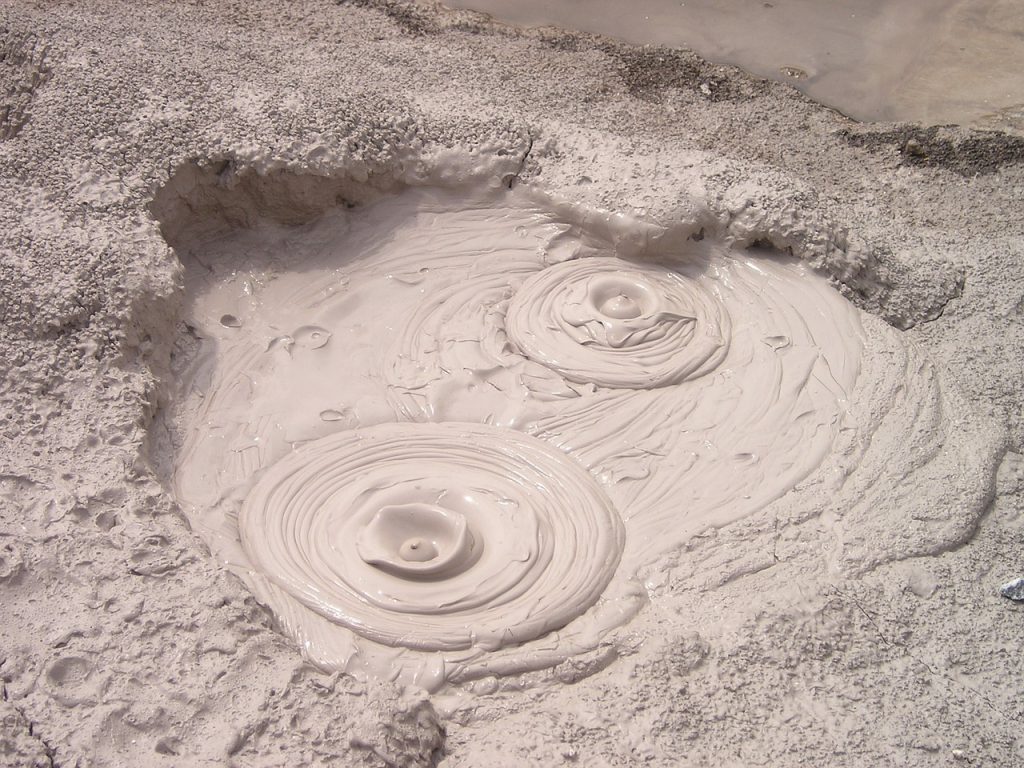

Introduction
Once upon a time, beneath the Earth’s surface, an exciting world of mysteries unfolded—a world where sand, mud, soil, and clay danced together to nurture life. They were the unsung heroes of planet Earth, quietly supporting trees, plants, and ecosystems for millions of years. But what makes each type so special? How did these incredible materials form, and how do they contribute to life? Gather around for an epic tale of Earth’s landmass, vegetation, and evolution that even an 8-year-old can dig into!
What Are Sand, Mud, Soil, and Clay?
Each of these materials plays a unique role in supporting plant life. They might look plain, but their stories are as complex as any superhero origin.
- Sand
Sand is made of tiny grains of quartz or other minerals that have been worn down by wind and water over millions of years. It feels gritty and drains water quickly, which is why plants like cacti love it. - Mud
Mud is what happens when water mixes with soil, clay, and organic matter. It’s messy and sticky, but it’s packed with nutrients that help young plants grow. - Soil
Soil is the ultimate life-giver. Made of minerals, organic matter, water, and air, it’s where plants dig their roots and find nutrients. - Clay
Clay is a fine-grained, sticky material that holds water well. It’s a favorite for plants that love moisture, like rice.
Fun Facts About Soil and Land Types
- Soil has layers! The topsoil is where plants grow, but dig deeper and you’ll find subsoil and bedrock.
- Earthworms are the architects of soil. These wiggly creatures aerate the soil, making it perfect for plant growth.
- Clay particles are smaller than sand! Imagine a grain of sand being a boulder and clay being a tiny marble.
Types of Landmass and Vegetation
The type of landmass determines the kind of soil it has, and this, in turn, affects what kind of plants can grow.
- Deserts
- Soil: Sandy, dry, and nutrient-poor.
- Vegetation: Cacti, succulents, and hardy bushes.
- Forests
- Soil: Rich in organic matter, loamy, and moist.
- Vegetation: Tall trees, ferns, and mosses.
- Grasslands
- Soil: Fertile, deep, and full of nutrients.
- Vegetation: Grasses, shrubs, and wildflowers.
- Wetlands
- Soil: Muddy, clay-rich, and waterlogged.
- Vegetation: Mangroves, reeds, and aquatic plants.
A Brief History of Vegetation
Millions of years ago, Earth was a barren wasteland. Then came photosynthesis, the magical process where plants turned sunlight into food. This sparked the Green Revolution (not the modern farming one!), where plants and trees began to dominate the land. Over time, these plants supported the evolution of animals, creating lush forests and grasslands.
Animal Evolution and Extinction
The type of soil has always influenced animal life. For instance:
- Grasslands encouraged the evolution of grazers like deer and bison.
- Wetlands gave rise to amphibians like frogs and salamanders.
But soil erosion and deforestation caused the extinction of many species, as they lost their homes and food sources.
Natural Resources and Soil
Soil is more than just dirt—it’s a treasure chest of natural resources:
- Minerals: Like iron, aluminum, and copper.
- Water retention: Helps store water for plants.
- Organic Matter: Provides nutrients for crops.
Water Bodies That Shape Soil
Water plays a huge role in shaping soil types:
- Rivers: Carry silt and clay, creating fertile riverbanks.
- Lakes: Leave behind nutrient-rich mud.
- Oceans: Form sandy beaches with salty soil.
Geographical Locations of Unique Soils
- Amazon Rainforest (South America)
- Soil: Nutrient-poor but rich in biodiversity.
- Sahara Desert (Africa)
- Soil: Sandy and arid.
- Gangetic Plains (India)
- Soil: Fertile alluvial soil, perfect for farming.
Threats to Soil: The Dark Side
Soil is under threat due to deforestation, over-farming, and urbanization. Each year, about 24 billion tons of fertile soil are lost globally. Without soil, plants can’t grow, leading to food shortages and climate change.
Fun Facts About Mud and Soil
- Mud has been used for building houses for centuries (like the Great Mosque of Djenné in Mali).
- Soil contains more organisms in a tablespoon than there are people on Earth!
- Sand dunes can “sing” when the wind moves their grains.
FAQs
- What is the most fertile type of soil?
Loamy soil is the best for plant growth. - Why is sand not suitable for most plants?
Sand doesn’t hold water or nutrients well. - Can mud be used for farming?
Yes, but it needs to be drained properly first. - Why is clay soil sticky?
Because of its fine particles that retain water. - How does soil support plant life?
It provides nutrients, water, and anchorage for roots. - What is topsoil?
The uppermost layer of soil where plants grow. - Why are earthworms called ‘soil engineers’?
They aerate the soil and add nutrients through their waste. - How does deforestation harm soil?
It leads to erosion and loss of fertility. - What is silt?
A soil type that’s finer than sand but coarser than clay. - Can soil be restored after damage?
Yes, with practices like crop rotation and composting.
Thesaurus
- Soil – Earth, ground.
- Clay – Mud, sludge.
- Fertile – Rich, productive.
- Erosion – Wearing away, degradation.
- Loamy – Soft, crumbly.
- Sediment – Deposit, residue.
- Aerate – Oxygenate, ventilate.
- Organic Matter – Biomass, decomposed material.
- Desert – Arid land, wasteland.
- Wetland – Marsh, swamp.
- Nutrient – Mineral, sustenance.
- Grain – Particle, granule.
- Retention – Storage, preservation.
- Deforestation – Logging, land clearing.
- Subsoil – Lower soil, underlayer.
- Alluvial – Riverine, sedimentary.
- Vegetation – Plants, greenery.
- Ecosystem – Habitat, biome.
- Extinction – Disappearance, annihilation.
- Photosynthesis – Energy conversion, light processing.
Conclusion
So, next time you see sand, mud, soil, or clay, remember they’re more than just dirt—they’re the Earth’s way of nurturing life. From supporting the tallest trees to feeding the tiniest worms, these materials are nature’s unsung heroes. Let’s protect them, for they hold the secrets of our past and the promise of our future.