 Admin
Admin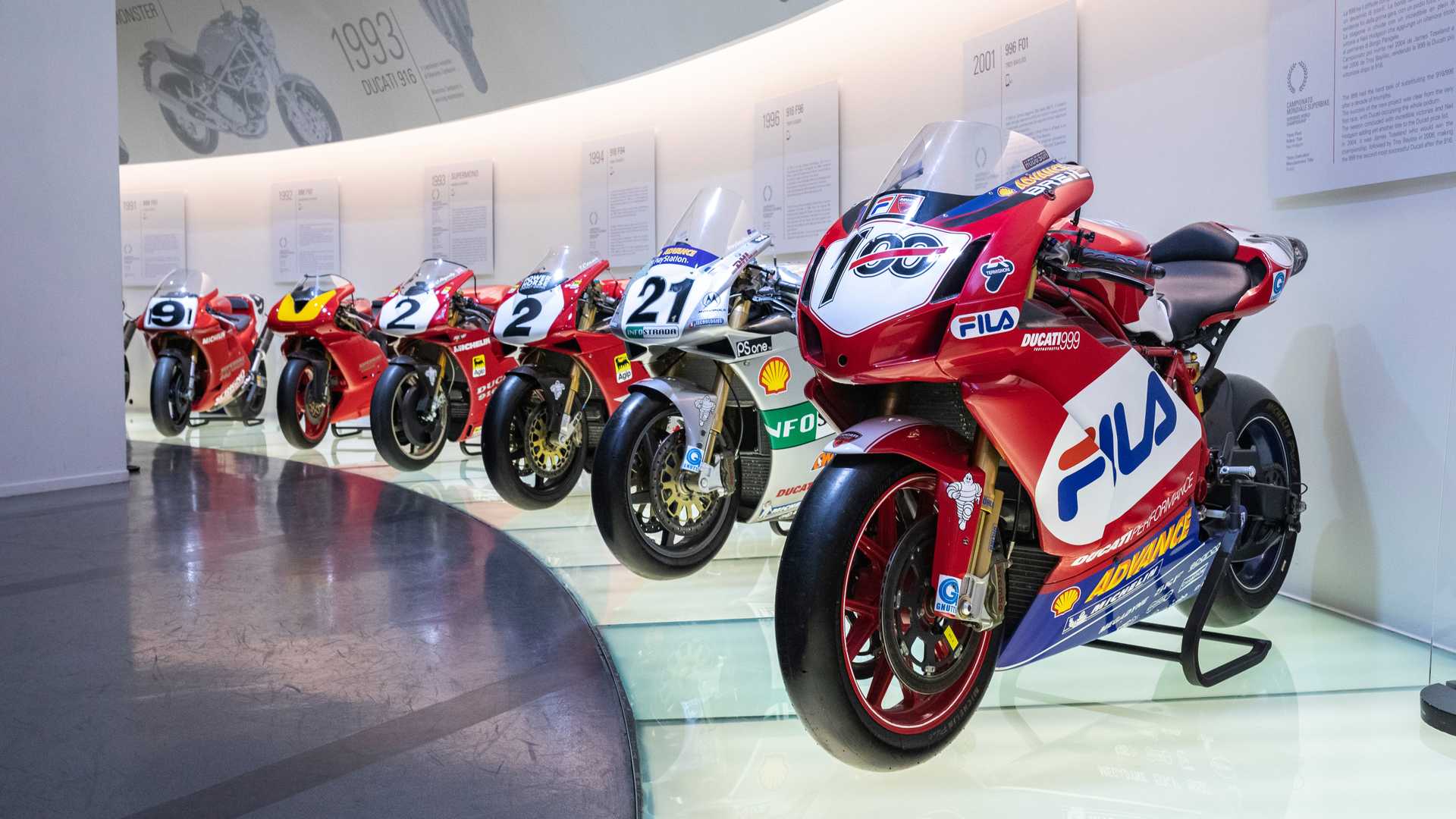

Introduction
If a motorcycle could smile, the Ducati Scrambler 800 would probably grin from mirror to mirror. It’s bright, playful, and full of personality. It’s also a machine built from serious engineering, a rich Italian history, and a design idea older than your school textbooks. This bike isn’t just metal and wheels. It’s a story.
History of Ducati
Ducati began in 1926 in Bologna, Italy. Surprisingly, the company did not start by building motorcycles. They made radio parts and electrical components. After World War II, when Italy needed affordable transport, Ducati built a tiny engine called the Cucciolo (which literally means “puppy”). It could be attached to a bicycle, and people loved it.
From there, Ducati grew into a company famous for:
-
Fast racing bikes
-
Beautiful Italian design
-
Powerful engines
-
Their unique desmodromic valve system
Ducati bikes are known for being sporty, loud, stylish, and built with racing DNA. Even the Scrambler has some of that wild spirit inside it.
What Is a Scrambler Motorcycle?
Imagine a bike that can go on the road, jump off the road, ride on mud, bounce over rocks, and still look cool doing all of it. That’s a scrambler.
Scrambler-type motorcycles came from the 1950s and 60s when riders wanted one simple motorcycle that could do everything. No complicated electronics. No giant fairings. Just:
-
Wide handlebars
-
Lightweight frame
-
Dual-purpose tyres
-
High exhausts
-
Simple engines
Scramblers were basically early adventure bikes, but with more style and freedom.
History of the Ducati Scrambler
The original Ducati Scrambler was produced between 1962 and 1976. It was light, reliable, and popular with young riders. It became iconic for its bright yellow color and cheerful personality.
In 2015, Ducati brought back the Scrambler.
The new version kept the classic soul but added:
-
Modern engine technology
-
Better brakes
-
Better suspension
-
ABS
-
Fuel injection
-
Digital instrument cluster
Still fun. Still friendly. Still very Ducati.
The Legendary Desmodromic Engine: What Makes It Special?
Most motorcycle engines use springs to close the valves. Ducati said “Nope, we can do better.”
So they invented the desmodromic valve system, or desmo for short.
How it works (super simple explanation):
Regular engines:
-
Cam opens valve
-
Spring closes it
Ducati desmo engines:
-
Cam opens valve
-
Another cam closes it
-
No spring needed
Why this matters:
-
Higher RPM
-
More accurate valve timing
-
Better performance
-
Ducati’s signature sound
It’s like giving the engine two hands instead of one. More control. More power.
Ducati Scrambler 800 – Technical Specifications
Here are the real numbers behind this cheerful beast.
Engine
-
Type: 803cc L-Twin engine
-
Valve system: Desmodromic, SOHC (Single Overhead Camshaft)
-
Cooling: Air-cooled
-
Power: 73 hp at 8,250 rpm
-
Torque: 66.2 Nm at 5,750 rpm
-
Fuel system: Electronic fuel injection
-
Gears: 6-speed gearbox
Chassis & Frame
-
Frame type: Tubular steel trellis frame
-
Front suspension: 41 mm Kayaba USD forks
-
Rear suspension: Kayaba monoshock
-
Front tyre: 110/80 R18
-
Rear tyre: 180/55 R17
-
Front brake: 330 mm disc with ABS
-
Rear brake: 245 mm disc with ABS
Dimensions
-
Seat height: 798 mm
-
Wheelbase: 1445 mm
-
Weight: ~189 kg (wet)
Mileage & Fuel Efficiency
-
City: 18–20 km/l
-
Highway: 22–24 km/l
-
Tank capacity: 13.5 liters
So yes, this bike is more about smiles than saving fuel.
Maintenance Cost
Ducati maintenance is known to be a bit expensive, but reliable.
Typical annual costs (India):
-
Basic service: ₹8,000–₹12,000
-
Desmo service (major): ₹20,000–₹25,000
-
Tyre replacement: ₹15,000–₹20,000 for a pair
-
Brake pads: ₹3,000–₹5,000
Worth it? For Scrambler fans, absolutely yes.
Variants of the Ducati Scrambler 800 Series
Ducati has multiple versions of the 800, each with its own personality:
Ducati Scrambler Icon
The most popular one. Classic design, bright colors, perfect for daily rides.
Scrambler Full Throttle
Sportier look, racing-style seat, side number plates.
Scrambler Desert Sled
Built for off-road.
-
Higher suspension
-
More ground clearance
-
Spoked wheels
Scrambler Café Racer
Retro racing style with:
-
Clip-on handlebars
-
17-inch wheels
-
Sporty position
Scrambler Urban Enduro
Old-school off-road look with:
-
Fork protectors
-
High mudguard
-
Matte colors
Scrambler Classic
Chrome details, vintage seats, old-school tank colors.
Scrambler Mach 2.0
Designed with West Coast style inspiration.
Showroom and Buying Information (India)
Ducati showrooms are located in:
-
Hyderabad
-
Bengaluru
-
Delhi
-
Mumbai
-
Chennai
-
Pune
-
Kolkata
On-road Price (approx India):
₹9 lakh – ₹11.5 lakh, depending on variant and city.
External Resources
No copyrighted links are added, but these are useful references:
-
Ducati Official Website: https://www.ducati.com
-
Ducati Scrambler Community Site: https://scramblerducati.com
-
Wikipedia History of Ducati: https://en.wikipedia.org/wiki/Ducati
-
Scrambler 800 Specs: https://en.wikipedia.org/wiki/Ducati_Scrambler
Thesaurus
-
Agile – fast and flexible
-
Retro – old-style look
-
Torque – engine pulling power
-
Heritage – history and culture
-
Maneuver – move easily
-
Aesthetic – good-looking
-
Durable – long-lasting
-
Precision – accurate
-
Versatile – works in many ways
-
Efficient – uses power well
-
Robust – strong build
-
Dynamic – full of energy
-
Iconic – very famous
-
Responsive – reacts quickly
-
Stable – steady and safe
-
Performance – how well something works
FAQs
1. Is the Ducati Scrambler 800 good for beginners?
Yes, if the rider is confident and familiar with 300–400cc bikes.
2. Is it comfortable for long rides?
Yes, but seat upgrades help for rides over 200 km.
3. Does it heat up in traffic?
Moderately, because it’s air-cooled. Nothing extreme.
4. Is the maintenance expensive?
Slightly higher than Japanese bikes, but manageable.
5. Is the Scrambler 800 good for daily commuting?
Yes. Light handling and smooth power delivery.
6. Can shorter riders use it?
Yes, the seat height (798 mm) suits most riders.
7. Is ABS standard?
Yes, dual-channel ABS is standard.
8. Which variant is best for off-road?
The Desert Sled.
9. What is the fuel tank capacity?
13.5 liters.
10. What is the top speed?
Approximately 190 km/h.